

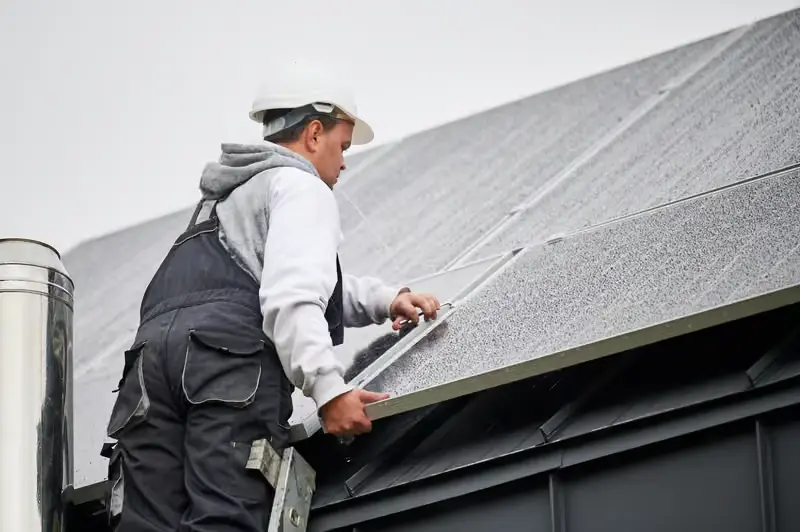
Your roof works hard every single day. It fights sun, wind, rain, snow, and falling branches without ever asking for thanks. Most homeowners only think about it when a stain shows up on the ceiling. By then, the damage is already done. A residential roof maintenance checklist changes that story. It gives you a simple routine to follow so small problems never grow into big bills. As someone who has spent years around roofs of every age and style, I can tell you this: the homes with the longest lasting roofs are not always the ones with the best materials. They are the ones with owners who pay attention. This guide walks you through every routine task worth including, season by season and part by part. Follow it, and you will protect your home, your savings, and your peace of mind.
The True Cost of Ignoring Your Roof
Roof damage rarely announces itself loudly. It starts small. A cracked shingle lets in a little water. That water soaks the underlayment, then the decking, then the insulation. Soon you have mold, rot, and higher energy bills. A repair that would have cost a few hundred dollars turns into a full replacement worth many thousands. Insurance companies also notice neglect. If a claim shows poor upkeep, they may reduce or deny your payout. Regular care is the cheapest insurance you can buy. In my experience, a homeowner who spends a couple of hours each season on a residential roof maintenance checklist can add five to ten years to the life of the roof. That is a return few home projects can match.
How Often You Should Inspect Your Roof
Timing matters as much as the tasks themselves. I recommend a full inspection twice a year, once in spring and once in fall. Spring checks reveal winter damage. Fall checks prepare the roof for the cold months ahead. You should also look over your roof after any major storm, whether that means hail, high winds, or heavy snow. Walk the ground around your home and scan the roof with binoculars. Look for missing shingles, dark streaks, sagging lines, or debris. Never climb up if the surface is wet, steep, or icy. Safety always comes first. A good residential roof maintenance checklist separates tasks you can do from the ground, tasks that need a ladder, and tasks best left to a licensed roofer.
Seasonal Tasks for Your Residential Roof Maintenance Checklist
Spring Tasks After Winter Damage
Spring is your recovery season. Winter leaves behind ice damage, loose debris, and stressed materials. Start by checking for shingles that have cracked, curled, or blown off. Look at the ridge line, since wind often attacks that area first. Examine the gutters for sagging or pulled away sections caused by ice weight. Check the attic for damp insulation or fresh water stains. Wash away moss and algae gently, using a soft brush or a low pressure rinse. Never use a high pressure washer on asphalt shingles because it strips protective granules. Spring is also the best time to schedule any repairs, since contractors have more open dates and the weather is mild. Put these steps near the top of your residential roof maintenance checklist.
Summer Tasks for Heat and Storms
Summer brings heat, thunderstorms, and plenty of daylight to work with. Heat can bake shingles until they become brittle, so look closely for blistering or excessive granule loss. Check the gutters for shingle granules, which look like coarse sand. A lot of granules means the roof is aging fast. Inspect any rubber boots around vent pipes, since sun exposure cracks them over time. Look at the attic on a hot afternoon. If it feels like an oven, your ventilation may be weak. Poor airflow cooks the roof from below and shortens its life. Summer is also a smart time to trim back branches and check for pest activity. Birds, squirrels, and wasps love to nest near roof edges and vents.
Fall Tasks Before the Cold Arrives
Fall is the most important season on any roof calendar. Leaves, pine needles, and twigs pile up fast, and they clog drainage just before winter arrives. Clean every gutter and downspout, then flush them with a hose to confirm water flows freely. Check the flashing around chimneys, skylights, and walls, because gaps here cause the most stubborn leaks. Replace any worn sealant before temperatures drop, since caulk will not cure properly in freezing weather. Look for loose or exposed nails. Remove branches that hang over the roof. Heavy snow or ice can snap them and cause real damage. A fall visit is the heart of every residential roof maintenance checklist, so never skip it.
Winter Tasks for Snow and Ice
Winter is mostly about watching and protecting, not climbing. Never walk on a snowy roof. Instead, observe from the ground. Look for icicles along the eaves, which often signal heat escaping from the attic and melting snow unevenly. This leads to ice dams, which force water under shingles. If you see them forming, call a professional for safe removal. Use a roof rake with a long handle to pull heavy snow from the lowest few feet after big storms. Inside the home, watch ceilings and walls for new stains, drips, or peeling paint. Catching a leak early in winter can save your insulation and drywall. Add these quick observations to your residential roof maintenance checklist so cold weather never catches you off guard.
Core Routine Tasks Every Homeowner Should Complete
Inspect the Shingles Closely
Shingles are your first line of defense, so they deserve close attention. Look for cracked, curled, buckled, or missing pieces. Curling at the edges usually means age or poor ventilation. Buckling often points to moisture trapped below. Dark streaks are typically algae, which is mostly cosmetic but can hold moisture against the surface. Bare spots where granules have worn away expose the asphalt and speed up aging. If only a few shingles are damaged, a quick replacement is affordable and easy for a roofer. If damage spreads across a whole slope, the roof may be nearing the end of its life. Take photos each time you inspect. Over several years, those pictures show how fast your roof is changing.
Check Flashing and Sealants
Flashing is the thin metal that seals joints where the roof meets chimneys, vents, skylights, and walls. It is the number one source of leaks I see in the field. Check that it lies flat, sits tight, and shows no rust or gaps. Look at the sealant around it. Dried, cracked, or peeling caulk needs replacing. Pay special attention to valleys, where two roof slopes meet and water rushes down with force. Inspect the rubber collars around plumbing vents too, because they wear out long before the shingles do. A small tube of quality roofing sealant costs very little. Reapplying it every few years is one of the smartest tasks on any residential roof maintenance checklist.
Clean Gutters and Downspouts
Gutters and downspouts carry water away from your roof edge and foundation. When they clog, water backs up under the shingles and rots the fascia boards. Clean them at least twice a year, and more often if trees surround your home. Scoop out debris by hand or with a small trowel, then flush with a hose. Watch the water. It should move steadily toward the downspout without pooling. Check that the gutters slope slightly, are firmly attached, and have no rust holes. Make sure downspouts discharge at least a few feet from the foundation. Gutter guards can reduce cleaning time, but they are not maintenance free. Inspect them regularly so they do not trap debris on top.
Clear Debris and Treat Moss
A roof should stay clean and dry. Leaves, branches, and dirt hold moisture against the surface and invite moss, algae, and rot. Sweep light debris off with a soft broom or a leaf blower. Moss is more serious. Its roots lift shingles and let water slip underneath. Treat it with a zinc or copper based moss control product, applied according to the label. Avoid scraping, because that tears the shingle surface. If your roof sits in a shady, damp spot, expect to treat it yearly. Debris also collects in valleys and behind chimneys, so look in those hidden pockets. Clearing them takes minutes and prevents standing water. Include this simple step in every residential roof maintenance checklist you create.
Trim Overhanging Trees
Trees add beauty and shade, but they can hurt a roof. Branches that scrape the surface wear away granules with every gust of wind. Overhanging limbs drop leaves, sap, and sometimes whole branches. Keep a clear gap of at least six to ten feet between your roof and any tree. Trim dead or weak limbs before storm season. Hire a certified arborist for large branches, since cutting them yourself is risky. Also check for roots or trunks leaning toward the house after heavy rain. A falling tree can cause thousands in damage within seconds. Prevention is far cheaper than repair. This is one of the most overlooked items on a residential roof maintenance checklist.
Inspect the Attic and Ventilation
Your attic tells the truth about your roof. Climb up with a flashlight and look at the underside of the roof deck. Dark stains, wet insulation, or daylight peeking through are warning signs. Smell the air. A musty odor suggests hidden moisture. Check that insulation is evenly spread and not compressed. Make sure vents are open and not blocked by insulation. Good ventilation keeps the attic cool in summer and dry in winter. It also prevents ice dams and mold. Look for signs of animals, such as droppings, chewed wires, or nesting material. Pests can damage insulation and open new entry points. Visit the attic every season, and treat it as a core part of your residential roof maintenance checklist.
When to Call a Professional Roofer
Some jobs are not worth the risk. Call a licensed roofer if you notice sagging, widespread missing shingles, active leaks, or damaged flashing you cannot reach safely. Schedule a professional inspection every two to three years, and always after severe weather. A good roofer will check the structure, ventilation, and fasteners, then give you a written report with photos. Ask for proof of insurance and local licensing before work begins. Get at least two quotes, and be wary of anyone who demands full payment upfront or pressures you with storm chasing tactics. Keep every report and receipt in a folder. These records prove proper care to insurers and boost resale value. A professional visit complements, but never replaces, your own residential roof maintenance checklist.
Conclusion
A healthy roof is never an accident. It is the result of small, steady habits done on time. Inspect in spring and fall, clean your gutters, check flashing and sealants, trim trees, watch the attic, and call a pro when something looks wrong. These steps take little time, yet they protect the largest investment most families own. Print your residential roof maintenance checklist, tape it inside a closet door, and set calendar reminders for each season. Your future self will thank you when the next storm passes and your ceiling stays dry. Start this weekend. Walk outside, look up, and take the first step toward a stronger, longer lasting roof.
Frequently Asked Questions
1. How often should I use a residential roof maintenance checklist?
Use it at least twice a year, in spring and fall, and again after any major storm. Homes under heavy tree cover or in harsh climates may need extra checks. Regular timing helps you catch small problems before they spread.
2. Can I inspect my roof myself?
Yes, you can handle basic checks from the ground using binoculars, and from the attic using a flashlight. Avoid climbing onto steep, wet, or high roofs. If you are unsure, hire a licensed roofer for a safe and thorough inspection.
3. How much does roof maintenance cost each year?
Most homeowners spend a few hundred dollars annually on cleaning, sealant, and minor repairs. A professional inspection may add a modest fee. This is tiny compared with the cost of replacing a neglected roof early.
4. What are the warning signs of a failing roof?
Watch for missing or curling shingles, sagging areas, granules in the gutters, water stains on ceilings, and daylight in the attic. Any of these signs deserve prompt attention from a qualified professional.
5. Does regular maintenance extend roof life?
Absolutely. Consistent care can add years to your roof by preventing moisture damage, rot, and premature wear. It also protects your warranty and boosts home value when you sell.