
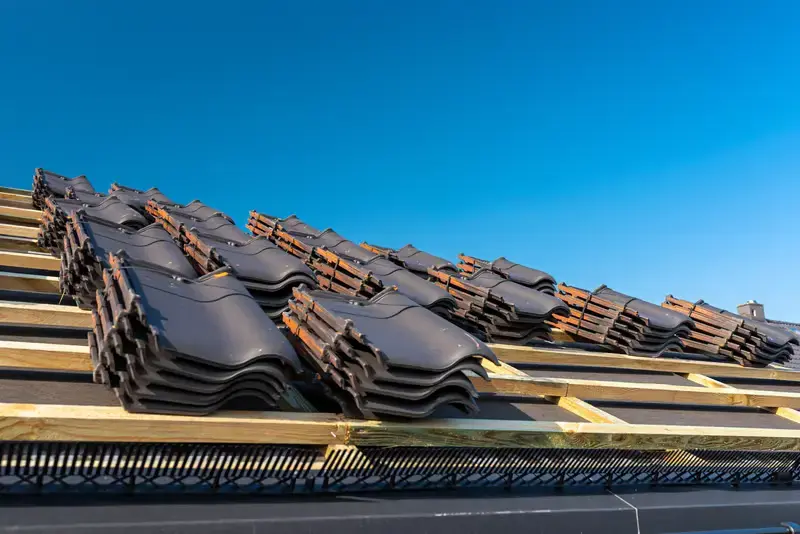
Energy performance has become one of the strongest reasons to explore new roofing material options. Your roof takes the full force of the sun every day, and a surface that absorbs heat can push indoor temperatures higher than you expect. Cool roofs take a different approach. They reflect more sunlight and absorb less heat, which can make rooms feel more comfortable during the hottest months. Reflective coatings, light-colored metal panels, and certain synthetic tiles are all designed with this goal in mind. Many homeowners in hot regions notice a real difference in how hard their air conditioner has to work once a cooler roof goes up.
Still, performance depends on where you live. In cold regions, a darker roof can help melt snow and add some passive warmth during winter, so a cool roof is not always the best choice everywhere. Before you buy, check the solar reflectance and thermal emittance ratings for each product. Then ask your installer how the material behaves in winter as well as summer. A good answer will consider your full year, not just the hottest weeks. Many buyers skip this step and later wonder why their heating bill rose after a reflective upgrade.
Reflective Coatings and Cool Roof Ratings
Reflective coatings can be applied over some existing roofs, which makes them attractive for older homes that are not ready for full replacement. They are usually painted or sprayed on, so the surface must be prepared properly first. Look for products with published reflectance ratings from recognized testing programs, since these numbers let you compare options fairly. A high rating suggests better heat reduction, but the actual savings also depend on insulation, attic ventilation, and the roof’s slope. A well-insulated attic with good airflow can make a modest coating perform better than a premium product placed over a hot, poorly ventilated space.
Solar-Ready and Integrated Systems
Some newer roofing systems are designed to accept solar panels, while others include solar tiles that blend into the roof surface. Integrated options can simplify installation and improve the look of the home, since there are no bulky racks sitting on top. These systems also come with a higher upfront cost, and the tiles may have different lifespans than the panels they replace. Compare long-term electricity savings with the full price, including installation and any local incentives, before deciding. Ask whether the roof and solar system carry separate warranties, because a problem with one can complicate claims on the other.
Durability and Expected Lifespan
Durability is what separates a good roofing investment from a frustrating one. Metal roofs often last fifty years or more when they are properly installed and maintained, which makes them a strong long-term choice. Synthetic slate and clay composites can also offer long lives and handle heavy use well. Asphalt shingles typically last less time, though they remain a common and affordable option. Actual results depend on installation quality, attic ventilation, climate, and exposure to hail, wind, and falling debris. Even the best material can fail early if the underlying structure or ventilation is weak.
Ask every installer for impact and wind ratings. Many manufacturers test their products against hail and high winds, and the results can affect insurance premiums in some areas. A roof rated for stronger impacts may cost more at the start, but it can prevent a costly replacement after a severe storm. Check whether your insurer recognizes specific ratings, since some companies offer discounts only for certain certifications. Keeping copies of test results and warranty papers also helps if you ever need to file a claim.
Cost, Installation, and Permits
Cost varies widely by material, roof size, and local labor rates. Metal panels and premium composites usually cost more than standard shingles, while reflective coatings can be less expensive upfront but may need reapplication after several years. Always request itemized quotes that show materials, labor, removal of the old roofing, and disposal fees. A vague total makes it hard to compare bids, and hidden costs often appear after work begins. Get at least three quotes from licensed contractors so you can spot unusual numbers quickly.
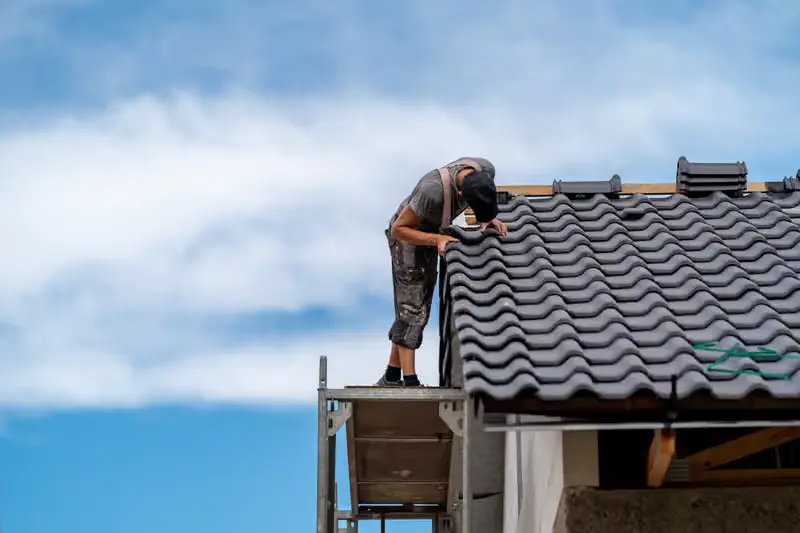
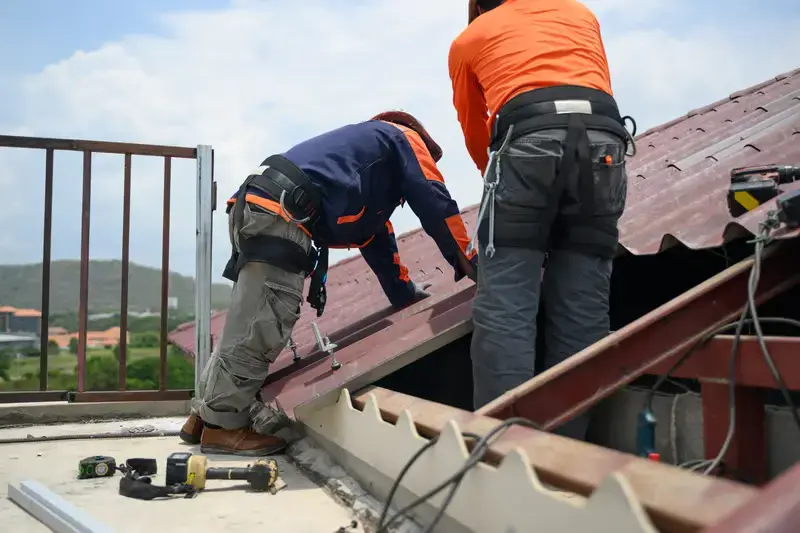
Installation quality matters as much as the product itself. A top-rated material installed poorly can fail early, especially around flashing, vents, and valleys. Confirm that the installer is licensed and insured, and ask whether the manufacturer offers a certified installer program. Certified crews often have access to better warranty coverage. Some cities require permits for roof replacement, and skipping them can cause trouble later, including problems during a home sale or insurance claim.
Style, Curb Appeal, and Home Compatibility
Your roof shapes how the whole house looks from the street. Slate-look tiles can suit traditional homes, while standing-seam metal fits modern or farmhouse designs. Color and texture matter as much as the material itself. A dark roof may look sharp and striking, but it can absorb more heat, so you may need to balance appearance with performance. Lighter tones often reduce heat gain while still looking clean and current. Try to see sample shingles or panels in natural light before choosing a color.
Consider the roof’s pitch and the neighborhood’s overall style too. Some communities have architectural guidelines or homeowners association rules that limit certain materials or colors. Checking those rules early avoids approval delays and disappointment after installation. A roof that fits the surrounding homes usually feels more satisfying over time than one that stands out for the wrong reasons.
Maintenance, Warranties, and Long-Term Care
Every roofing material needs some care to perform well for decades. Metal roofs benefit from periodic inspections of fasteners, seams, and sealant, especially after strong storms. Synthetic and composite products often need only gentle cleaning and occasional checks for cracks or loose pieces. Clear gutters, trim overhanging branches that drop debris, and inspect flashing after heavy weather to catch small problems before they spread. A simple yearly walkthrough, or a professional inspection every few years, can save significant repair money.
Read warranties carefully before you sign. Some cover the material only, while others include labor and workmanship for a set number of years. Look for transferable warranties if you think you may sell the home, since a warranty that follows the house can add real value at resale. Note any conditions that could void coverage, such as improper maintenance, unauthorized repairs, or installation by an uncertified crew. Keeping receipts, photos, and inspection records makes warranty claims much easier.
Conclusion
New roofing material options give homeowners more choices than ever before. Reflective coatings, metal panels, synthetic slate, and integrated solar systems each solve different problems, from cooling costs to lifespan and curb appeal. The best choice comes from comparing energy performance, durability, cost, style, and maintenance against your climate and long-term plans. Ask for detailed quotes, confirm installer credentials, and read warranty terms closely before signing any contract.
A roof is one of the most important investments a homeowner makes, and it shapes comfort, safety, and resale value for decades. A careful, informed decision now helps you avoid expensive surprises later. Take your time, compare options honestly, and choose a material you will still be happy with years from now.
Frequently Asked Questions
1. Which new roofing material lasts the longest?
Metal roofs often last fifty years or more when properly installed and maintained. Synthetic slate and clay composites also offer long lifespans, though actual results depend on climate and installation quality.
2. Are cool roofs worth it in cold climates?
Cool roofs are most useful where summers run hot. In colder regions, a darker roof can help melt snow, so compare heating and cooling impacts before choosing a reflective material.
3. Can I install a new roof over my existing one?
Sometimes. Many building codes allow one extra layer of roofing, but this depends on the structure, the material, and local rules. Ask your installer and check permit requirements before deciding.
4. How do I know if a roofing installer is qualified?
Confirm licensing and insurance, ask for references, and check whether the manufacturer certifies the installer. Written warranties and detailed quotes also show professionalism and accountability.
5. Do new roofing materials affect home insurance premiums?
They can. Impact-resistant and wind-rated roofs may qualify for lower premiums in some areas. Ask your insurer which ratings and certifications they recognize before you buy.