
An asphalt shingle roof protects a home from rain, wind, sunlight, and changing temperatures. However, even a well-installed roof needs regular attention. Small problems can develop quietly and become expensive repairs if homeowners overlook them. A loose shingle, blocked gutter, or damaged flashing may seem minor, but each can allow moisture to reach the roof deck.
Consistent asphalt roof maintenance helps identify these issues before they spread. It also protects the roof’s structure, supports proper drainage, and reduces avoidable repair costs. The goal is not to make a roof last forever. It is to keep the roofing system in good condition for as long as practical through timely inspections, suitable repairs, and sensible preventive care.
Understanding the Importance of Asphalt Roof Maintenance
Asphalt shingles are popular because they offer a practical balance of cost, appearance, and weather protection. They are available in several styles and can suit many residential roof designs. However, they are exposed to harsh conditions throughout the year.
Sunlight gradually affects the asphalt and protective surface granules. Wind can lift shingle edges or loosen exposed sections. Heavy rain may reveal weak flashing, damaged valleys, or drainage problems. In colder regions, repeated freezing and thawing can also place stress on roofing materials.
Regular asphalt roof maintenance helps homeowners respond to these conditions. Instead of waiting for a ceiling stain or active leak, they can identify warning signs during routine inspections. Early action often means repairing a small section rather than replacing a larger portion of the roof.
Maintenance also helps preserve the roof’s supporting components. Shingles are only one part of the system. Underlayment, flashing, ventilation, gutters, roof decking, and fasteners all contribute to performance. A problem in one area can affect the others.
Establishing a Reliable Roof Inspection Protocol
A good inspection routine should be consistent and focused. Homeowners should examine their roofs at least twice a year, ideally in spring and fall. An additional inspection after a severe storm can help identify damage that may need immediate attention.
The inspection does not always require walking on the roof. In fact, climbing onto a roof without suitable training and safety equipment creates unnecessary risks. Many visible problems can be identified from the ground using binoculars or by checking accessible areas from a safe position.
Examine the Shingle Surface
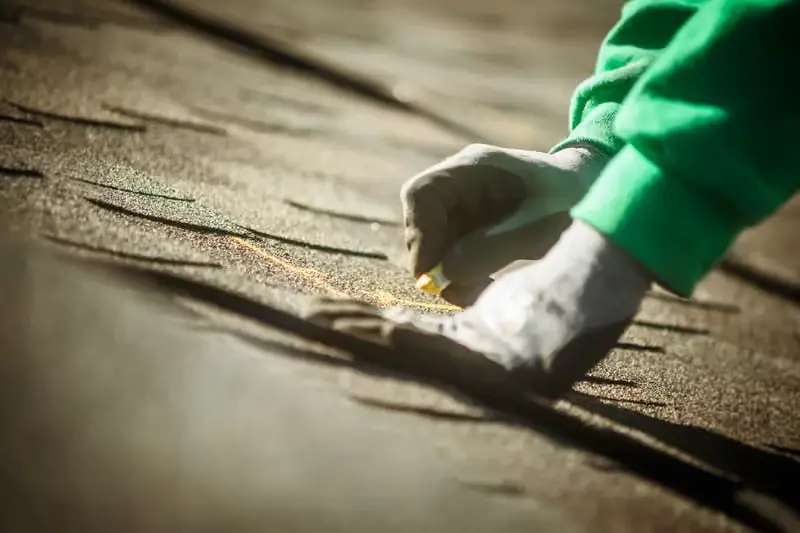
Start by looking for shingles that are cracked, curled, buckled, or missing. These conditions can indicate aging, installation problems, or exposure to strong weather.
Pay attention to the roof edges and ridge areas. Shingles in these locations may experience greater wind exposure. Also inspect areas around chimneys, vents, skylights, and other roof penetrations. These points often require careful sealing and flashing.
Look for uneven patches or areas where shingles appear raised. They may indicate poor fastening, trapped moisture, or problems beneath the roofing surface. A professional roofer can determine the cause before repairs begin.
Check for Granule Loss
Asphalt shingles contain mineral granules that protect the underlying material from ultraviolet exposure and physical wear. Some granule loss is normal, particularly as a roof ages. However, heavy or uneven loss deserves attention.
Check the gutters and downspouts for accumulated granules. A small amount may not indicate a serious problem, but large quantities can suggest significant surface deterioration. Bald patches on shingles are another warning sign.
Granule loss can also occur after hail or physical impact. If the damage appears concentrated in certain areas, arrange a professional inspection to determine whether the shingles remain serviceable.
Inspect Flashing and Roof Penetrations
Flashing directs water away from vulnerable joints. It is commonly installed around chimneys, vent pipes, skylights, walls, and roof valleys. If flashing becomes loose, corroded, cracked, or improperly sealed, water can enter the roofing system.
Inspect visible flashing for gaps, rust, lifted edges, and deteriorated sealant. Pay special attention to areas where different roof surfaces meet. These locations require proper overlap and water management.
Do not assume that applying more roofing cement will solve every flashing problem. Sealant can deteriorate, and excessive application may hide a larger defect. Correct repairs should address the source of water entry.
Review Attic Conditions
The attic can reveal problems that are difficult to see from outside. Look for water stains, damp insulation, darkened wood, and signs of mold growth. Check around roof penetrations and along the underside of valleys.
Also pay attention to ventilation. Poor airflow can allow excessive heat and moisture to accumulate. Over time, this may affect shingles, roof decking, and insulation performance.
A well-maintained attic should have an appropriate balance of intake and exhaust ventilation. The exact arrangement depends on the roof design and local building requirements. If the attic feels unusually damp or shows repeated condensation, ask a roofing professional to assess the ventilation system.
Identifying Common Asphalt Shingle Problems
Recognizing common defects makes asphalt roof maintenance more effective. Different forms of damage require different solutions. Treating every issue as a simple shingle replacement can leave the underlying cause unresolved.
Curling and Buckling Shingles
Shingles may curl at the edges or develop raised areas as they age. Heat exposure, moisture, poor attic ventilation, and installation problems can contribute to these conditions.
Curling shingles are more vulnerable to wind and water penetration. Buckling may also indicate movement or moisture-related problems beneath the shingles.
A few affected shingles may be repairable. Widespread curling, however, often suggests that the roof is approaching the end of its useful service life. A professional assessment can help determine whether localized repairs remain worthwhile.
Cracked or Missing Shingles
Cracks can develop through aging, impact, or repeated exposure to harsh weather. Missing shingles often result from strong winds, failed adhesive strips, or improper fastening.
These defects should be addressed promptly because exposed areas may allow water to reach the underlayment or roof decking. Check nearby shingles as well. Wind damage can affect several connected shingles, even when only one appears missing.
Algae, Moss, and Organic Growth
Dark streaks on asphalt roofs are often caused by algae. Moss and lichen may also develop in shaded or persistently damp areas. Their presence does not always mean the roof is failing, but heavy growth can retain moisture and affect the surface.
Avoid scraping or aggressively pressure-washing shingles. These methods can remove protective granules and shorten the roof’s service life. Use cleaning methods approved by the shingle manufacturer or hire a qualified roofing professional.
Overhanging branches can contribute to the problem by reducing sunlight and dropping leaves onto the roof. Trimming suitable branches and improving drainage can help reduce recurring growth.
Practical Shingle Repair Techniques
Shingle repairs should match the type and extent of damage. The main objective is to restore the roof’s water-shedding ability without damaging surrounding materials.
Replacing Individual Damaged Shingles
A missing or badly damaged shingle may need replacement. The replacement should match the existing roofing material as closely as possible in size, profile, and composition.
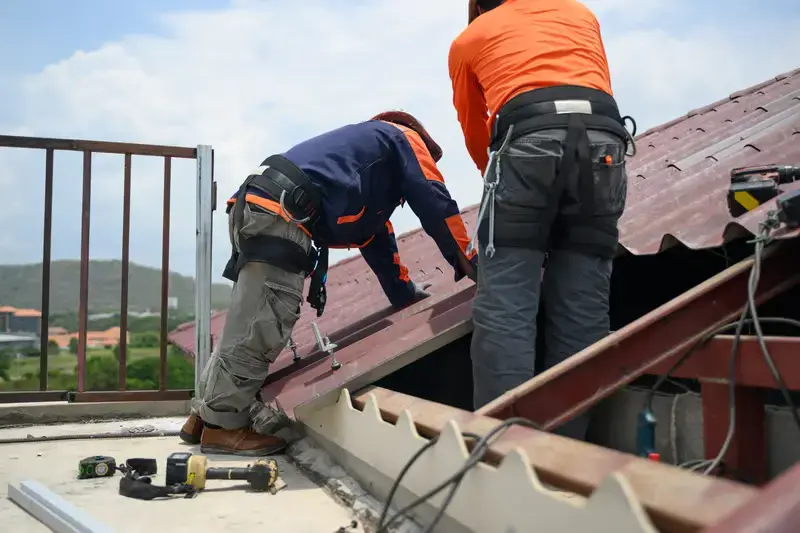
The repair process generally involves carefully lifting the surrounding shingles, removing the damaged piece, and extracting its fasteners. A suitable replacement is then positioned and secured according to the manufacturer’s fastening instructions.
Fastener placement matters. Nails installed too high, too low, or in the wrong location can weaken the repair. Overdriving nails may damage the shingle, while underdriven nails can prevent proper contact with the roofing surface.
The surrounding shingles should also be checked for cracks and loosened edges. Replacing one piece without inspecting nearby materials may leave related damage untreated.
Repairing Lifted Shingle Edges
A shingle that has lifted but remains intact may sometimes be resecured. However, the cause of the lifting must be understood first. Wind damage, failed adhesive, incorrect fastening, and material deterioration require different responses.
Roofing adhesive may be suitable for certain minor repairs when the manufacturer permits it. The correct product and application method matter. Using an incompatible sealant can damage the shingles or interfere with future repairs.
If multiple shingles are lifting, do not treat each one as an isolated problem. The roof may have a fastening issue or broader wind damage that needs professional attention.
Addressing Flashing-Related Leaks
Leaks around chimneys, vents, and skylights often require flashing repairs rather than shingle replacement alone. A roofer may need to replace damaged flashing, correct an overlap, or repair deteriorated components.
The repair should restore a reliable path for water to flow away from the penetration. Simply covering a visible gap with sealant may provide temporary relief without correcting the underlying defect.
After repairs, the area should be monitored during rainfall. If moisture continues to appear, the leak may originate from another part of the roof and travel along the decking before becoming visible indoors.
Preventing Water Damage Through Drainage Care
Water should move freely from the roof surface into the gutters and away from the foundation. Blocked or damaged drainage components can cause water to collect along roof edges and increase the risk of leaks.
Gutters should be checked at least twice a year and more often when nearby trees drop leaves or debris. Remove accumulated leaves, twigs, and sediment. Check downspouts for blockages and confirm that water flows away from the house.
Loose gutter brackets, separated joints, and incorrect slopes can also affect drainage. Repair these problems before they contribute to fascia damage or water infiltration.
During asphalt roof maintenance, inspect the roof valleys as well. Valleys carry water from large sections of the roof, so leaves and debris can interfere with drainage. Remove loose debris only when it can be done safely without disturbing the shingles or valley materials.
Good drainage also protects the roof’s lower edges. Water that repeatedly backs up beneath shingles can damage the underlayment and roof decking. Keeping gutters and downspouts functional is therefore an important part of protecting the entire roofing system.
Improving Roof Longevity Through Preventive Care
Maintenance can reduce avoidable damage, but it cannot stop normal aging. The most effective approach combines routine inspections with simple preventive measures.
Maintain Proper Attic Ventilation
Ventilation helps control heat and moisture in the attic. When airflow is inadequate, excessive heat can build up during warm weather. Moisture from indoor activities may also accumulate if air leaks and ventilation problems are not addressed.
Check that attic vents are not blocked by insulation, debris, or stored materials. Do not close ventilation openings without understanding the roof’s airflow design.
If the attic has persistent condensation or unusually high temperatures, a roofing specialist should evaluate the system. Adding vents without checking intake and exhaust balance may not solve the problem.
Keep Trees and Debris Under Control
Branches that touch the roof can scrape shingle surfaces and provide access for pests. During storms, weak limbs may fall and cause impact damage.
Trim branches that hang too close to the roof, using a qualified tree professional when necessary. Remove leaves and debris from accessible roof areas only when it is safe to do so.
This simple step can reduce moisture retention and help prevent organic growth. It also makes routine inspections easier because more of the shingle surface remains visible.
Avoid Unnecessary Roof Traffic
Walking on asphalt shingles can loosen granules, damage brittle materials, and disturb flashing. Older roofs are especially vulnerable to foot traffic.
Homeowners should avoid climbing onto the roof for routine cleaning or minor visual checks. Use ground-level observation whenever possible. For work that requires roof access, hire trained professionals with suitable safety equipment.
Follow Manufacturer Recommendations
Different shingle products have different installation and maintenance requirements. Manufacturer guidance may specify suitable cleaning products, repair materials, ventilation standards, and warranty conditions.
Keep records of the shingle brand, installation date, warranty information, and previous repairs. These details can help a contractor select compatible materials and identify whether a repair may affect warranty coverage.
Managing Storm Damage and Seasonal Risks
Severe weather can cause sudden roof damage. Strong winds may lift shingles, hail can bruise or crack the surface, and heavy rain may reveal weaknesses around flashing and roof penetrations.
After a storm, inspect the property from a safe location. Look for missing shingles, damaged gutters, fallen branches, and debris on the roof. Inside the home, check ceilings and attic spaces for fresh water stains or damp insulation.
If a leak is active, protect belongings and use containers to collect dripping water where practical. Avoid entering areas with sagging ceilings or electrical hazards. Contact a qualified roofing contractor to assess the damage.
Temporary coverings may help limit water entry while permanent repairs are arranged. However, temporary protection should be installed by someone equipped to work safely at height.
Keep photographs of visible damage and repair work. These records can support insurance discussions and help track recurring problems. Do not discard damaged materials before documenting them if an insurance inspection may be required.
Seasonal planning also matters. Spring is a useful time to identify damage from winter weather, while fall inspections can prepare the roof for colder or wetter months. In regions with intense summer heat, checking for surface deterioration and ventilation problems is particularly useful.
Knowing When Repairs Are No Longer Enough
Even consistent asphalt roof maintenance cannot prevent a roof from eventually reaching the end of its service life. The decision to repair or replace it depends on its age, condition, installation quality, and the extent of damage.
A roof with one missing shingle and otherwise healthy materials may only need a localized repair. A roof with widespread granule loss, repeated leaks, curling shingles, and deteriorated flashing may require more extensive work.
Look at the overall pattern rather than one isolated defect. If repairs are becoming frequent and several roof areas are failing, replacement may offer better long-term value.
The condition of the roof decking is also important. Soft or damaged decking can indicate prolonged moisture exposure. Installing new shingles over an unstable surface will not provide a reliable solution.
Ask contractors to explain their findings and distinguish between immediate problems and future concerns. Request clear details about repair scope, materials, ventilation, flashing, and any additional work required. Comparing written assessments can help homeowners make a more informed decision.
Building a Consistent Asphalt Roof Maintenance Schedule
A written maintenance schedule makes inspections easier to manage. It also helps homeowners notice changes over time instead of relying on memory.
A practical routine can include:
-
Spring: Check for winter damage, inspect flashing, review attic conditions, and clear drainage systems.
-
Summer: Look for heat-related deterioration, confirm ventilation performance, and check for storm damage.
-
Fall: Remove leaves from gutters, inspect roof valleys, and prepare drainage components for seasonal rainfall.
-
After major storms: Look for missing shingles, fallen branches, damaged gutters, and signs of water entry.
Record the inspection date, visible defects, photographs, and repairs completed. If a contractor identifies a developing issue, note when it should be checked again.
This approach turns asphalt roof maintenance into a manageable household responsibility. It also gives roofing professionals a clearer history when they assess the property.
Conclusion
A durable asphalt roof depends on more than the quality of its original installation. Regular inspections, timely shingle repairs, proper drainage, and suitable attic ventilation all help protect the roofing system from avoidable damage.
The best asphalt roof maintenance routine focuses on early detection. Homeowners should watch for curling shingles, granule loss, damaged flashing, blocked gutters, and signs of moisture inside the attic. Minor defects should be addressed before they develop into widespread problems.
Professional inspections are especially valuable after severe weather or when damage appears across several roof sections. With consistent care and informed repair decisions, homeowners can extend the useful service life of their asphalt shingles and protect the structure beneath them.