
A roof protects more than the structure of a home. It keeps moisture out, supports indoor comfort, and helps prevent damage to ceilings, walls, insulation, and electrical systems. Yet many homeowners only think about their roof when a leak appears or a storm causes visible damage. By that point, a relatively small issue may have become an expensive repair.
Regular residential roof maintenance helps prevent these problems by identifying wear before it affects the rest of the property. Seasonal inspections, proper gutter care, and early leak detection are three of the most important parts of a reliable maintenance routine. They help homeowners understand the condition of their roofs and decide when cleaning, minor repairs, or professional attention is necessary.
A well-maintained roof does not necessarily need constant work. It needs consistent attention at the right times. Understanding what to inspect, which warning signs matter, and when to call a roofing professional can make roof care more manageable and help extend the useful life of roofing materials.
Understanding the Importance of Residential Roof Maintenance
Residential roof maintenance involves inspecting, cleaning, and caring for the roof system to reduce deterioration and prevent avoidable damage. It covers more than the visible roofing surface. Flashing, gutters, downspouts, roof penetrations, ventilation, and drainage all influence how well a roof performs.
How Regular Maintenance Protects Your Home
Water is one of the most common causes of roof-related property damage. It can enter through damaged shingles, cracked flashing, loose fasteners, or gaps around vents and chimneys. Once moisture gets beneath the roofing material, it may affect the roof deck, insulation, and interior finishes.
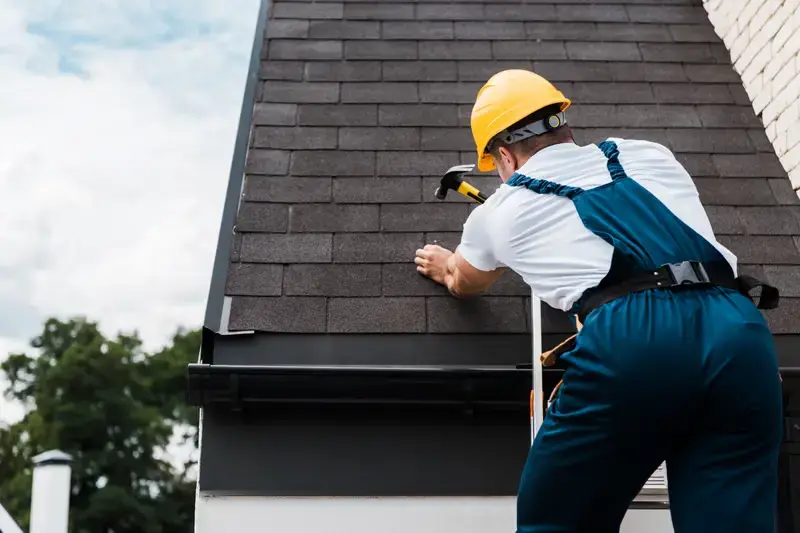
Regular inspections help identify these weaknesses before water spreads into the home. For example, a lifted shingle may appear insignificant from the ground, but wind-driven rain can push moisture beneath it. Replacing or securing the damaged section early may prevent more extensive repairs.
Maintenance also helps protect the structural components of the roof. Persistent moisture can weaken wooden materials and create conditions that encourage mold growth. Keeping drainage paths clear and repairing damaged areas reduces the chance of these problems developing unnoticed.
The Long-Term Value of Preventive Roof Care
Preventive care is generally easier to plan than emergency repairs. A homeowner who notices a deteriorating seal around a vent can arrange a targeted repair before water reaches the attic. Ignoring the same issue may lead to damaged insulation, stained ceilings, and more complicated work.
Residential roof maintenance can also help homeowners make better decisions about replacement. An inspection may reveal that a roof needs a few localized repairs rather than complete replacement. Alternatively, repeated problems across several sections may indicate that the roofing system is approaching the end of its useful life.
Maintenance cannot stop normal aging, but it can help roofing materials perform as intended. The value comes from managing deterioration instead of allowing small defects to develop into larger failures.
Seasonal Roof Inspections for Year-Round Protection
Roof conditions change throughout the year. Heat, rainfall, wind, snow, falling leaves, and temperature changes can affect different roofing materials in different ways. A seasonal inspection routine helps homeowners respond to these changing conditions.
Spring Inspections After Winter Weather
Spring is a useful time to check for damage caused by winter conditions. Freezing temperatures, ice buildup, strong winds, and heavy precipitation can loosen shingles, damage flashing, and create drainage problems. Even when the roof looks normal from the ground, small defects may remain.
Look for missing or curled shingles, damaged ridge caps, loose metal components, and visible debris. Pay attention to valleys because they collect water and direct it toward the drainage system. Damaged materials in these areas can allow moisture to enter beneath the roof covering.
Spring is also a good time to inspect attic spaces. Check for damp insulation, water marks, unusual odors, or daylight showing through the roof structure. These signs may indicate that the roof needs further investigation.
Summer Checks for Heat and Sun Exposure
Strong sunlight and high temperatures can gradually affect roofing materials. Asphalt shingles may lose protective granules as they age, while sealants around vents and other roof openings can dry out or crack. Some roofing materials may also expand and contract as temperatures change.
During summer inspections, look for visible deterioration, damaged sealant, loose components, and signs of poor ventilation. Excessive attic heat can contribute to uncomfortable indoor temperatures and may affect the performance of certain roofing materials.
Ventilation deserves particular attention. A properly designed system allows hot, moist air to escape from the attic while supporting balanced airflow. Blocked vents or inadequate ventilation can contribute to condensation and heat buildup. Homeowners should avoid blocking ventilation openings when storing items in attic spaces.
Autumn Preparation Before Heavy Rain or Snow
Autumn maintenance focuses on preparing the roof and drainage system for the wetter or colder months ahead. Falling leaves, branches, and other debris can collect in gutters and roof valleys. If this material blocks water flow, rain may overflow onto exterior walls or collect near vulnerable roof edges.
Check gutters, downspouts, flashing, and visible roof surfaces before seasonal storms begin. Remove loose branches and arrange professional cleaning when debris is difficult or unsafe to reach.
Autumn is also a sensible time to inspect the condition of roof seals and exposed fasteners. Small gaps can become more problematic when strong winds and heavy precipitation arrive. Addressing visible damage before severe weather reduces the risk of avoidable water entry.
Winter Monitoring and Weather-Related Damage
Winter roof care depends on the local climate. In areas with freezing temperatures, ice dams can develop when heat escaping from the attic melts snow on the roof. The water may refreeze near colder roof edges and prevent proper drainage. This can force moisture beneath roofing materials.
In warmer regions, winter may bring heavy rain, strong winds, or prolonged damp conditions instead. Homeowners should monitor ceilings and attic spaces for new water stains, dampness, or unusual odors after major storms.
Avoid climbing onto a wet, icy, or wind-damaged roof. Residential roof maintenance during hazardous weather should focus on safe observation from the ground and arranging professional inspections when needed.
Gutter Care and Effective Roof Drainage
Gutters are an essential part of the roof system. They collect rainwater from the roof edges and direct it away from the home’s exterior and foundation. When they become blocked or damaged, water can overflow and contribute to several types of property damage.
Why Clean Gutters Matter
Leaves, twigs, dirt, roof granules, and other debris can accumulate inside gutters. Over time, this material restricts water movement and may cause water to spill over the sides. Overflowing gutters can stain exterior walls, damage fascia boards, and allow water to collect near the foundation.
Blocked gutters can also become unusually heavy when filled with wet debris. This added weight may pull fasteners away from the fascia or cause sections of the gutter to sag. In colder climates, trapped water may freeze and increase the strain on the system.
Cleaning gutters at least twice a year is a common starting point, often during spring and autumn. Homes surrounded by trees may need more frequent cleaning. The correct schedule depends on the amount of debris, local weather, and gutter design.
Inspecting Gutters, Downspouts, and Connections
Cleaning alone is not enough if the drainage system has loose joints or poor alignment. During an inspection, check whether gutters slope gently toward their outlets. Standing water after rainfall may indicate incorrect positioning, sagging sections, or a blockage.
Look for rust, cracks, loose brackets, leaking seams, and separation from the fascia. Downspouts should also be checked to confirm that water can pass through without obstruction. Their outlets should direct water away from the foundation rather than allowing it to collect directly beside the building.
Gutter connections and end caps deserve attention because small gaps can cause repeated leaks. A professional can repair damaged sections, adjust their alignment, or recommend replacement when deterioration is widespread.
Choosing the Right Gutter Protection
Gutter guards and screens can reduce the amount of leaves and larger debris entering the system. They are particularly useful for homes with nearby trees, but they do not eliminate maintenance. Fine particles, seeds, and roof granules may still accumulate.
The right protection depends on the roof design, local vegetation, rainfall intensity, and gutter type. Some guards work better with certain debris patterns than others. Homeowners should compare products based on their ability to manage local conditions rather than assuming that every system performs equally well.
Even with guards installed, gutters and downspouts need periodic inspection. A blocked screen can prevent water from entering the gutter properly, while poorly fitted protection may allow debris to collect underneath.
Roof Leak Prevention and Early Warning Signs
Leaks often begin with small defects that are difficult to notice from inside the home. Identifying early warning signs is an important part of residential roof maintenance because moisture can travel away from the original entry point before becoming visible.
Common Causes of Residential Roof Leaks
Damaged or missing shingles are common sources of water entry. Strong winds may lift roofing materials, while aging and repeated weather exposure can weaken their protective surfaces. Cracked tiles and damaged metal panels can create similar problems.
Flashing failures are another frequent cause. Flashing is installed around chimneys, vents, skylights, walls, and other roof transitions. Its purpose is to prevent water from entering vulnerable joints. If flashing becomes loose, corroded, or poorly sealed, rainwater may pass through the opening.
Roof penetrations also require attention. Plumbing vents, exhaust outlets, antennas, and other installations create openings in the roofing surface. Damaged rubber boots, deteriorating sealant, or loose fittings can allow water to enter around these points.
Blocked valleys and drainage channels may contribute to leaks as well. When water cannot flow away properly, it can remain near joints and vulnerable areas for longer than intended.
Interior Signs That May Indicate a Roof Leak
Water stains on ceilings or upper walls are common warning signs. They may appear as yellow or brown patches, peeling paint, bubbling plaster, or damp areas. A stain does not always show the exact location of the leak because water can travel along rafters and other structural components before reaching the ceiling.
A persistent musty smell in an attic or upper room may indicate hidden moisture. Homeowners should also look for damp insulation, darkened roof decking, visible mold growth, or corrosion around metal components.
After heavy rain, inspect accessible attic areas with a flashlight. Look for active drips, wet surfaces, and changes that were not present during previous inspections. Do not touch electrical equipment or enter an unsafe attic space. If water is close to wiring or light fixtures, contact a qualified professional promptly.
Preventing Leaks Around Roof Openings
Roof openings need careful inspection because they interrupt the continuous roofing surface. Flashing, seals, and protective boots around these areas can deteriorate over time due to sunlight, movement, and temperature changes.
Check visible flashing for lifting, separation, corrosion, or missing sections. Sealant should not be treated as a permanent solution for every flashing problem. Applying more sealant over damaged materials may hide the issue without correcting the underlying installation defect.
Skylights and chimneys need particular attention because they involve several joints and changes in roof direction. A qualified roofer can assess whether a leak comes from the flashing, the surrounding roofing material, or another part of the structure.
Roof Maintenance Tasks Homeowners Can Safely Perform
Homeowners can handle some basic maintenance tasks without climbing onto the roof. Safe observation and routine checks can provide useful information while reducing the risk of accidental damage.
Ground-Level Roof Inspections
Start by observing the roof from different positions around the property. Binoculars can help identify missing shingles, uneven roof lines, damaged flashing, or loose materials. Look for debris collecting in valleys and branches hanging close to the roof.
Pay attention to areas that appear different from surrounding sections. A patch of missing granules, a visibly lifted shingle, or a sagging roof edge may require professional assessment.
Ground-level observation cannot replace a detailed roof inspection, but it is a practical way to identify visible changes between professional visits.
Attic and Ceiling Checks
Inspect accessible attic areas for moisture, condensation, damaged insulation, and signs of pests. Check whether ventilation openings are clear and whether the roof deck appears dry. Water stains may remain after an old leak has been repaired, so compare them with recent conditions and look for signs of active moisture.
Inside the home, examine ceilings and upper walls after heavy rainfall. New discoloration, peeling paint, or damp patches should be investigated rather than covered with fresh paint.
Knowing When to Hire a Roofing Professional
Some tasks require specialized equipment, experience, and safety training. Walking on steep, wet, fragile, or damaged roofing materials can cause falls and additional property damage. Homeowners should not attempt repairs that involve unstable surfaces, complex flashing, structural components, or electrical hazards.
A professional roofer can inspect areas that are difficult to access and identify defects that may not be visible from the ground. They can also determine whether a repair is appropriate or whether a larger section needs replacement.
Arrange professional attention when you notice recurring leaks, sagging areas, widespread shingle damage, loose flashing, or water entering the attic. Prompt assessment is particularly important after severe storms.
Common Roof Maintenance Mistakes to Avoid
Even well-intentioned maintenance can cause problems when it is performed incorrectly. One common mistake is ignoring small warning signs. A loose shingle, blocked gutter, or minor flashing gap may seem harmless, but each can allow damage to develop over time.
Another mistake is using pressure washers on roofing materials without understanding the manufacturer’s recommendations. Excessive water pressure can strip protective granules, damage shingles, loosen components, or force water beneath the roof covering. Cleaning methods should match the material and condition of the roof.
Some homeowners also rely too heavily on temporary sealants. Sealant may be suitable for certain minor repairs, but it cannot correct damaged flashing, deteriorated roofing materials, or poor installation. Covering a problem without identifying its cause can make later repairs more difficult.
Neglecting attic ventilation is another frequent issue. A roof may look sound from outside while trapped heat and moisture affect its performance from within. Blocked vents, unbalanced airflow, and inadequate insulation should be assessed as part of the overall roof system.
Finally, avoid assuming that a roof is in good condition simply because no leak is visible. Water damage may remain hidden until it reaches the ceiling or walls. Consistent inspections provide a better picture of roof condition than waiting for interior damage to appear.
Conclusion
A dependable roof requires regular attention, not just occasional repairs. Seasonal inspections help homeowners identify weather-related deterioration, while clean gutters support proper drainage and reduce the risk of water damage. Checking flashing, roof openings, attic spaces, and interior ceilings can also reveal early signs of leaks.
The most effective residential roof maintenance routine combines safe homeowner checks with professional inspections when needed. It also includes accurate records and timely repairs instead of relying on temporary fixes. By addressing small problems early, homeowners can protect their property, manage repair costs, and help their roofing system perform reliably for years.
Frequently Asked Questions
1. How often should residential roofs be inspected?
Most homeowners should arrange a professional roof inspection at least once a year, although the ideal frequency depends on the roof’s age, material, and local weather. Additional inspections are sensible after major storms or when visible damage appears. Ground-level checks every few months can help identify changes between professional visits.
2. What is the best time of year for roof maintenance?
Spring and autumn are practical seasons for detailed maintenance. Spring inspections help identify damage from winter weather, while autumn checks prepare the roof and drainage system for heavier rainfall, falling leaves, or snow. However, homeowners should address leaks and visible damage whenever they appear rather than waiting for a particular season.
3. Can clogged gutters cause roof leaks?
Yes. Blocked gutters can prevent water from draining away properly. Overflowing or trapped water may affect roof edges, fascia boards, and nearby structural components. In colder climates, standing water can also freeze and contribute to ice buildup. Regular cleaning and checking downspout connections help reduce these risks.
4. What are the first signs of roof damage?
Common early signs include missing or lifted shingles, cracked tiles, damaged flashing, loose roof components, and excessive granules collecting in gutters. Inside the home, watch for ceiling stains, peeling paint, damp insulation, and musty attic odors. These signs should be investigated before the damage spreads.
5. Should homeowners repair roof leaks themselves?
Homeowners can document visible damage and take reasonable steps to protect belongings, but climbing onto a roof or attempting complex repairs can be dangerous. Roof leaks may also originate away from the visible stain. A qualified roofing professional can locate the source, assess hidden damage, and recommend a suitable repair.